2026-10-27 · Alex Rivera
How to Manage Yard Debris After Scottsdale Monsoon Storms
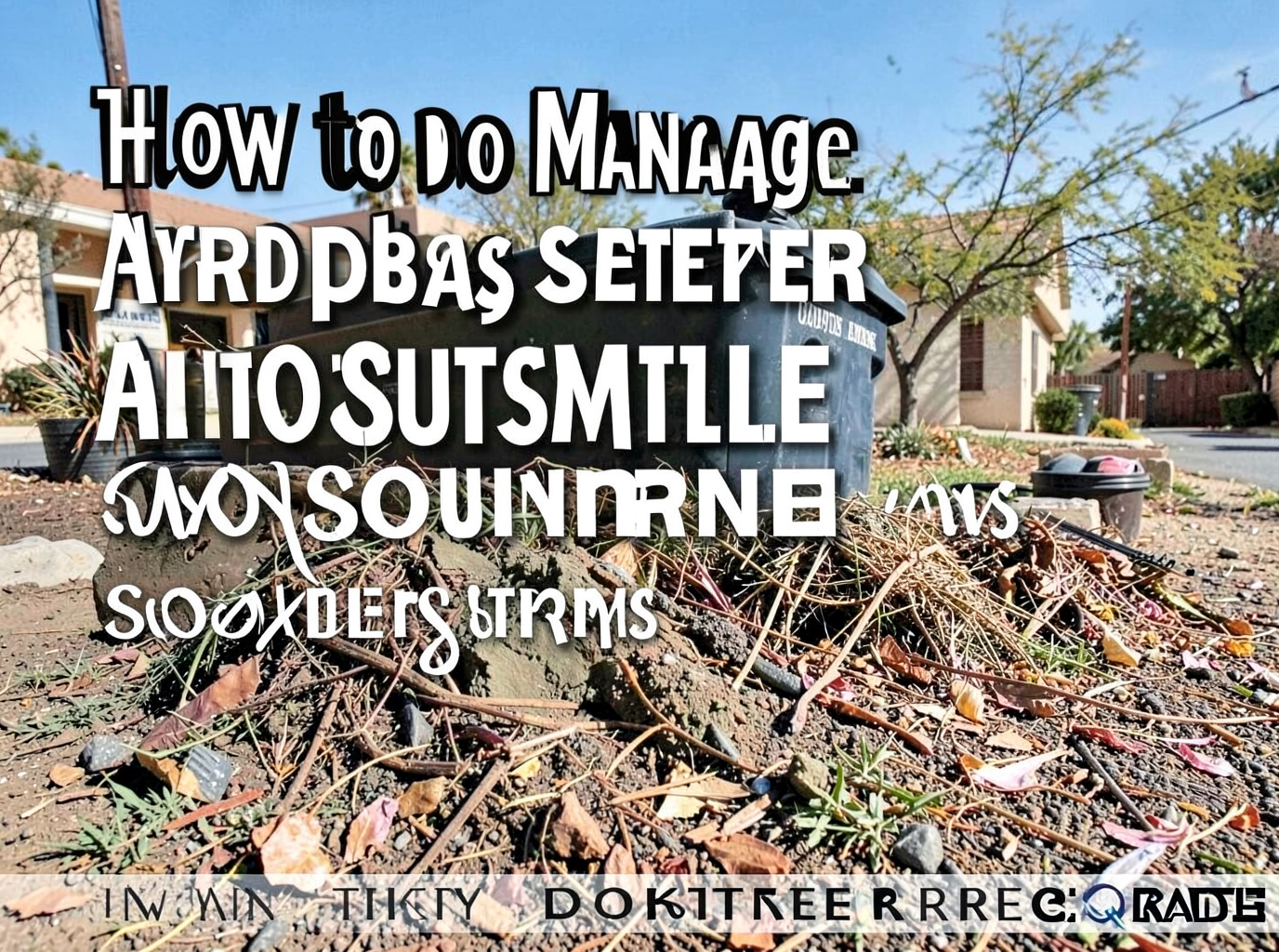
After Scottsdale monsoon storms, sort debris into separate piles of palm fronds, mesquite branches, and mixed yard waste, then order a 10- to 20-yard residential dumpster based on your lot size in neighborhoods like McCormick Ranch or Gainey Ranch.
Assessing Debris Volume on Scottsdale Properties
Monsoon rains hit Maricopa County hard each summer, turning dry desert lots into collections of broken limbs and scattered palm fronds. Properties in Old Town Scottsdale often feature smaller yards with mature trees that shed more during high winds, while larger estates in Troon North or Desert Mountain generate bigger volumes of heavy saguaro ribs and gravel mixed with organic matter. Walk the entire property once the rain stops and note how water flow from Camelback Mountain slopes pushes debris toward low spots near Scottsdale Fashion Square or the Civic Center. Measure piles roughly by length and height rather than guessing, because a 15-foot stack of branches can fill a 10-yard container faster than loose leaves. Soil in the area turns to slick clay when saturated, so wait 24 hours before moving heavy items to avoid compacting the ground around irrigation lines common in Gainey Ranch homes.
Sorting Materials for Efficient Removal
Separate organic debris from any construction scraps or household items that storms uncover. Palm fronds and thorny mesquite require their own pile because they tangle easily and take extra space in a container. Place larger branches in one area and lighter leaves or grass clippings in another so the hauler can load quickly without extra trips. In Paradise Valley or Tempe border homes, check city rules on green waste separation before mixing loads. Avoid leaving piles near sidewalks in the Scottsdale Waterfront district where foot traffic increases after storms. This step prevents contamination fees and keeps the job moving when temperatures climb back into the triple digits typical of late summer in the region.
Selecting Dumpster Size and Placement
A 10-yard container handles debris from a standard quarter-acre lot in central Scottsdale while a 20-yard unit suits the bigger spreads in McCormick Ranch after a strong monsoon. Position the unit on a flat driveway or street pad approved for the weight, keeping it away from soft desert soil that can shift once the monsoon moisture evaporates. Check clearance for the truck route, especially near narrow streets around Taliesin West. Choosing Dumpster Size for a Typical Scottsdale Kitchen Remodel offers similar sizing logic that applies to yard cleanup. Schedule delivery for early morning to beat the heat that builds quickly in Maricopa County.
Timing Pickup and Local Disposal Rules
Book the container for three to five days so you finish loading before the next storm cycle arrives. Scottsdale and nearby Phoenix follow Maricopa County guidelines that limit how long debris can sit at the curb. Contact Residential Dumpster Rental to confirm weight limits and prohibited items like tires or paint cans that sometimes wash into yards. After loading, sweep any remaining gravel or leaves into the unit to prevent street runoff during the next rain. What Affects Dumpster Rental Pricing in Scottsdale explains how monsoon season volume changes affect availability and scheduling in the area.
Final Cleanup Steps for Desert Yards
Rake remaining fine debris once the main container is hauled away and spread fresh mulch where erosion occurred along slopes. Inspect irrigation valves exposed by water flow near homes in Desert Mountain or Gainey Ranch. Store tools and tarps indoors before afternoon heat returns, since summer temperatures often exceed 105 degrees within days of a storm. This sequence keeps properties in Scottsdale neighborhoods looking maintained and ready for the next seasonal change without repeated service calls.